A Designer's Take on the "Happy 836th Day of School" Embroidery File
When a design like "Happy 836th Day of School 2021" lands on my screen for review, my first question is always: what's the real project potential? This isn't about just opening a file. It's about imagining the stitches on fabric, the reaction from a customer, and whether it elevates the final product. Let's walk through that process.
The Immediate Mood: Celebrating a Unique Milestone
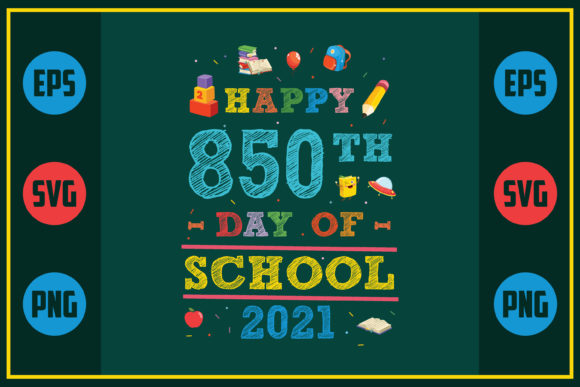
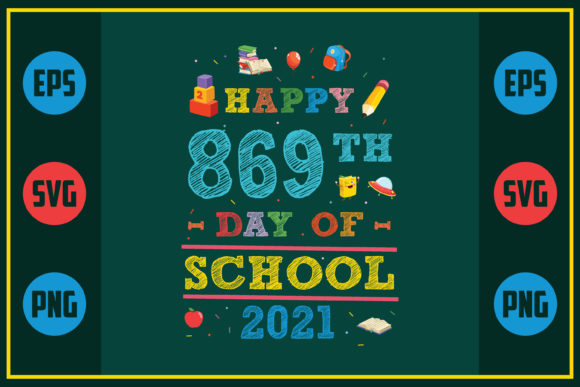
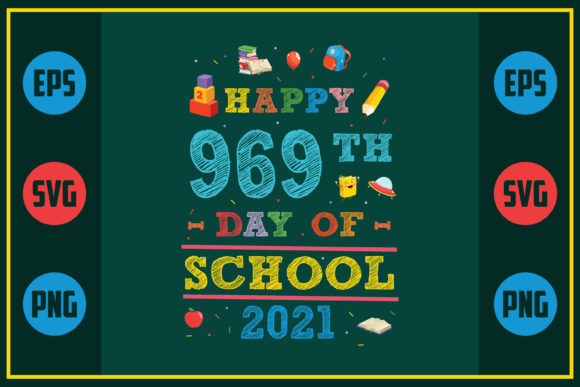
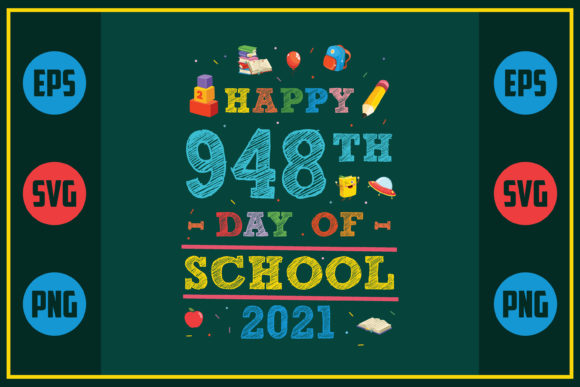
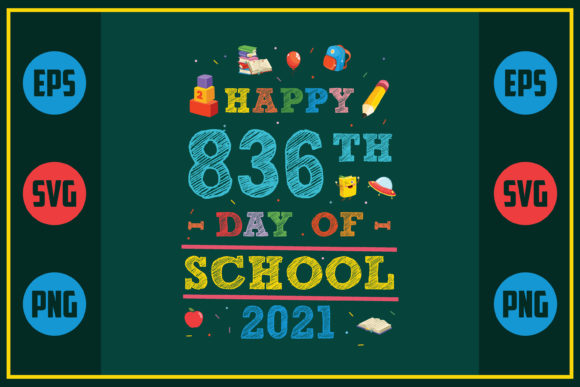
The first impression here is clever and personal. The core idea—celebrating an exact school day count, not just the grade—creates a mood of specificity and celebration. It feels less like a generic school theme and more like a personalized acknowledgment of a student's journey. Visually, the title "Happy 836th Day of School" is the clear focal point, with "2021" anchoring it to a specific year. The layout is straightforward, which for embroidery is a good starting point. It promises clear lettering without overly complex graphical elements that might translate poorly into stitches.
This design naturally belongs to personalized gift projects. It's not a mass-market graphic. It’s for a parent, grandparent, or teacher who wants to commemorate a particular year with a tangible, handmade item. The personality is friendly and slightly whimsical, acknowledging that school is a marathon of individual days.
Where This Design Shines in Real Projects
Thinking through real-life embroidery situations, this design has a strong fit for keepsake items and personalized apparel. Picture it on a tote bag for a teacher’s end-of-year gift, neatly stitched onto a cotton canvas. Imagine it on the sleeve of a youth-sized sweatshirt, a unique alternative to a standard "First Day" design. It would work beautifully on a pillow cover for a child's room, a kitchen towel for a homeschool setup, or as a simple, framed embroidered patch.
For small business owners and Etsy sellers, this is a niche product with high giftability. A customer searching for a "unique school gift" or "personalized school year memento" would find this compelling. It adds value through its specificity, which in turn builds customer trust—it shows you’re offering something thoughtful, not just stocked. In a boutique or at a craft fair, an item embroidered with this design would stand out from more generic academic themes.
For commercial embroidery projects, like small-run merchandise for a school club or PTA, it provides a ready-made, professional-looking asset. The digital file format provided, an SVG, is versatile for adapting into printable mockups for your listings or for further digital design work before stitching.
Careful Application: Where to Mind the Details
While the design is conceptually strong, its execution in embroidery requires practical consideration. The most critical element will be the lettering, especially if the numbers are small. "836th" and "2021" contain fine details and potentially tight corners. On very small hoop sizes or on textured fabrics like certain sweatshirt materials, those details might lose clarity or require careful stabilizer choice.
I would avoid using this on very thin or stretchy fabrics without robust stabilization, as the stitch density needed for clean lettering could cause puckering. Similarly, on dark fabrics, the thread color contrast needs to be high-impact—a bright white or a contrasting color palette is essential for readability.
Applying it to curved surfaces like caps demands a test run; the layout might need slight repositioning to look centered. And for products destined for frequent washing, like baby clothes or kitchen towels, a durable stitch execution and quality thread are non-negotiable to maintain that handmade presentation over time.
Impact on Your Craft Business and Customer Engagement
Using a design like this effectively impacts several layers of your work. Visually, when stitched cleanly, it offers stitching clarity and a professional finish that reinforces brand consistency for a maker. It says you pay attention to unique concepts. For buyer engagement, it tells a story. A customer isn't just buying a decorated item; they’re buying a specific memory, which deepens the connection to your craft business.
It’s a design that encourages customization—you could pair it with additional elements, like a student's name, within your embroidery project. This adaptability makes it a valuable graphic asset in your library, suitable for both personal and commercial projects, provided you always confirm the licensing terms included with your purchase.
Practical Designer Notes Before You Hoop
Before committing this to a client's sweatshirt or a batch of tote bags for your shop, run these checks. Always test the embroidery file on scrap fabric first, preferably a similar material to your final product. This reveals any issues with stitch density, small detail integrity, or thread tension.
Check your thread color contrast against your background fabric in both digital mockups and physical swatches. Review the design in black and white mockups to assess form clarity without color distraction. Confirm the physical hoop size needed to keep all text proportionate and legible. Inspect the small details in your test piece—are the numbers crisp?
Use proper stabilizer for your chosen fabric. And crucially, since the product description states it includes an SVG file, verify your machine compatibility and the steps to convert or use the file for your embroidery machine. Not all SVG files are directly embroidered without intermediate steps. The description notes it's for use with software like Cricut Design Space or Adobe Suite, so you'll likely be using it to create a pathway to your embroidery file, or perhaps as an applique design template. Understand that process before starting.
Finally, think about the end product. A "Happy 836th Day of School 2021" embroidered patch on a denim jacket feels authentic. A crisp satin stitch version on a baby’s blanket for a child born in 2021 becomes a future heirloom. It’s a design that, with practical handling, transforms from a digital graphic into a meaningful finished product.